
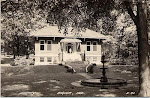

The little town of Flint was all alive with excitement on Tuesday evening on account of the destruction of some of the "spirits" of the town by the fair hands of some of the ladies in the neighborhood. About thirty of them assembled in front of Mr. Carpenter's grocery, and after some conversation, they entered the room, knocked in the heads of the whiskey barrels and other spirituous casks, and after the fluid had all run out they took the casks and built a bonfire in front of the building. The proprietor would not be bought out or reasoned out of the injurious practice of selling whiskey to those who under the influence of it daily made it difficult for any lady to pass along the street without being insulted or abused by harsh and obscene language.
The men having the will, failed to have the courage to militate the existing state of things, so the ladies after visiting him time after time, imploring and pleading in tears with him that he would not ruin, disgrace and destroy their families, resolved that they would abate the nuisance themselves. The ladies first advanced a flag of truce, asking the cessation of the sale of the article, with the treaty ready to be signed. This being refused, the action began. Front and rear you could hear hatchets, axes, hammers, and various implements of warfare, sing their temperance songs. As the commander of the fort could not be omnipresent, the works were entered. Then came the tug of war. The proprietor stood with raised club, ready to strike, but he was]
soon compelled to yield and listen to the notes of the sledge. The scene closed by the ladies singing a temperance song, and the passing of the following resolution: "Be it resolved that we will use all our efforts to prohibit the sale of intoxicating liquors in Flint henceforth and forever."
Steuben Republican. September 4, 1895
Showing posts with label Flint. Show all posts
Showing posts with label Flint. Show all posts
Thursday, August 19, 2010
Tuesday, August 10, 2010
Steuben County Business Directory 1897 - Partial Listing
Flint
M.M. Bowen - Physician
John Colbert - Shoemaker
Geo D. Cleveland - Blacksmith
J.H. Denmore - Barber
Frank Golden - Saw Mill
George Mallory - Painter, Paper Hanger
Wm N. Hopson - Flour Mill
Hinmon - Cabinet Maker
Wm J. Huffman - General Merchandise
J. Lonsberry - Saw Mill
Lou Mabie - Cider Maker
M. Mallory - Carpenter
H.A. Nichols - Physican
Ward Philo - Postmaster
Crooked Creek ( Jamestown)
E. Brown - Live Stock
Collins & Sons - General Merchandise
Harding - Flour and Saw Mill
John Phillips - Carpenter
Oscar Williams - Shoemaker
E. B. Clark - Meat Market
A. W. Gillott - Grocery
Abner Miller - Wagon Maker
Gabriel Rau - Miller
F. B. Williams - Cabinet Maker
Nevada Mills
Clark Butler & Co - Flour Mill
Ella Cleveland - Dress Making
T.E. Lucas - Distiller of Peppermint
Frederick Neutz - General Merchandise
F Sherman - Physician
Cleveland Brothers - Saw Mill
George Kemp - Well Driver
F.D. Munger - Blacksmith
A Spangle - Blacksmith
James E. Terry - General Merchandise
York
C. Castle - Veterinary Surgeon
A.W. & C. C. Beech - Threshers and Saw Mill
J.B. Knisely - Notary Public
B.J. Dunnavan - General Merchandise
Oliver Fink - Blacksmith
Lydia Fink - Dressmaker
George F. Osfell - General Merchandise
Ray
F. E. Abrams - Druggist
Chapin & Co. - Blacksmiths
J.R. Fulton - Lumber Yard
S. Handy - Carpenter
C. Lewis - Meat Market
D. McTaggart - Physician
H Spaulding - Hotel and Livery
M. Cooper - Blacksmith
S. W. Duguid - Dry Goods Etc
O Hall - Barber
Peter Gibson - Stock Buyer
T. McNaughton - Elevator
E. Osborn - Feed Mill
Lewis Young - Postmaster
Helmer
Joe Dillman - Barber
H.S. Billman - Hardware
J. Bodley - Saw Mill
H. Baker - Carpenter
Homer Clausen - Painter
I. Hovarter - Groceries, Dry Good, Postmaster, etc.
Daniel Pray - Elevator
Pray & Son - General Merchandise
W. E. Sherrow - Druggist and Physician
H.E. Baker - Agent W&St L & P Railroad
William Reinhart - Mason
James Wagner - Mason
George Strawser - Blacksmith
Salem Center
W. G. Cary - Blacksmith
L.J. Clay - Druggist
M.B. Butler - Hardware
M B Butler & Co - Manufacturer of Novelties
H. L. Cunningham - Physician
Kimsey & Marshall - General Merchandies
W. E. Kimsey - Breeder of Dorset Horned Sheep
Miss G. Ladaw - Dressmaker
S. Strawser - Blacksmith
A.D. Stevenson - Agent Agricultural Machinery and Carriages
Chas Brown - Cabinet Maker
J.A. Green - Blacksmith
G.M. Mills & Co - General Merchandise
L.D. Munger - Carpenter
Lewis Dole - Postmaster
J.E. Raub - Meat Market
W. H. Weaver - Barber and Shoe Maker
J.C. Woodford - Hotel
Newt Bodley - Carpenter
Daniel Sams - US Postal Carrier
M. Ransburg - Physician
E. B. Parsell - Book Agent
Cara Sisters - Dressmaker
Miss L. Shaffstall
Alvarado
James Kannel - General Merchandise and Postmaster
William Tingler - Saw Mill
William Gillmore - Cider Press
Leonard Alwood - US Mail Carrier
Albert Stieffel - Blacksmith
Frank Gilmore - Saw and Cane Mill
Williard Dewire - US Mail Carrier
Metz
H Austin - Blacksmith
M M Burch - Harness Shop
T Robinett - Grocery
J A Strong - Physician and Surgeon
Daniel Burkhart - Exchange Mill
James Kannel - General Merchandise
William Brothers - Blacksmith
A & J C Sickle - Carpenter
J Hand - Vet Surgeon
W J Healy - Barber
James Austin - Painter
C Rakestraw - Hotel
D B Gwift - Hardware and Tin Shop
B B Goodale - Druggist and PM
Ethel Warner - Millinery
John Trowbridge - Carpenter
William Reek - Sawmill
John B Goodale - Furniture and Undertaker
Frank Hoose - Mason
William Berry - Saloon
Gazetter and Complete Directory of Steuben County, Indiana 1897
M.M. Bowen - Physician
John Colbert - Shoemaker
Geo D. Cleveland - Blacksmith
J.H. Denmore - Barber
Frank Golden - Saw Mill
George Mallory - Painter, Paper Hanger
Wm N. Hopson - Flour Mill
Hinmon - Cabinet Maker
Wm J. Huffman - General Merchandise
J. Lonsberry - Saw Mill
Lou Mabie - Cider Maker
M. Mallory - Carpenter
H.A. Nichols - Physican
Ward Philo - Postmaster
Crooked Creek ( Jamestown)
E. Brown - Live Stock
Collins & Sons - General Merchandise
Harding - Flour and Saw Mill
John Phillips - Carpenter
Oscar Williams - Shoemaker
E. B. Clark - Meat Market
A. W. Gillott - Grocery
Abner Miller - Wagon Maker
Gabriel Rau - Miller
F. B. Williams - Cabinet Maker
Nevada Mills
Clark Butler & Co - Flour Mill
Ella Cleveland - Dress Making
T.E. Lucas - Distiller of Peppermint
Frederick Neutz - General Merchandise
F Sherman - Physician
Cleveland Brothers - Saw Mill
George Kemp - Well Driver
F.D. Munger - Blacksmith
A Spangle - Blacksmith
James E. Terry - General Merchandise
York
C. Castle - Veterinary Surgeon
A.W. & C. C. Beech - Threshers and Saw Mill
J.B. Knisely - Notary Public
B.J. Dunnavan - General Merchandise
Oliver Fink - Blacksmith
Lydia Fink - Dressmaker
George F. Osfell - General Merchandise
Ray
F. E. Abrams - Druggist
Chapin & Co. - Blacksmiths
J.R. Fulton - Lumber Yard
S. Handy - Carpenter
C. Lewis - Meat Market
D. McTaggart - Physician
H Spaulding - Hotel and Livery
M. Cooper - Blacksmith
S. W. Duguid - Dry Goods Etc
O Hall - Barber
Peter Gibson - Stock Buyer
T. McNaughton - Elevator
E. Osborn - Feed Mill
Lewis Young - Postmaster
Helmer
Joe Dillman - Barber
H.S. Billman - Hardware
J. Bodley - Saw Mill
H. Baker - Carpenter
Homer Clausen - Painter
I. Hovarter - Groceries, Dry Good, Postmaster, etc.
Daniel Pray - Elevator
Pray & Son - General Merchandise
W. E. Sherrow - Druggist and Physician
H.E. Baker - Agent W&St L & P Railroad
William Reinhart - Mason
James Wagner - Mason
George Strawser - Blacksmith
Salem Center
W. G. Cary - Blacksmith
L.J. Clay - Druggist
M.B. Butler - Hardware
M B Butler & Co - Manufacturer of Novelties
H. L. Cunningham - Physician
Kimsey & Marshall - General Merchandies
W. E. Kimsey - Breeder of Dorset Horned Sheep
Miss G. Ladaw - Dressmaker
S. Strawser - Blacksmith
A.D. Stevenson - Agent Agricultural Machinery and Carriages
Chas Brown - Cabinet Maker
J.A. Green - Blacksmith
G.M. Mills & Co - General Merchandise
L.D. Munger - Carpenter
Lewis Dole - Postmaster
J.E. Raub - Meat Market
W. H. Weaver - Barber and Shoe Maker
J.C. Woodford - Hotel
Newt Bodley - Carpenter
Daniel Sams - US Postal Carrier
M. Ransburg - Physician
E. B. Parsell - Book Agent
Cara Sisters - Dressmaker
Miss L. Shaffstall
Alvarado
James Kannel - General Merchandise and Postmaster
William Tingler - Saw Mill
William Gillmore - Cider Press
Leonard Alwood - US Mail Carrier
Albert Stieffel - Blacksmith
Frank Gilmore - Saw and Cane Mill
Williard Dewire - US Mail Carrier
Metz
H Austin - Blacksmith
M M Burch - Harness Shop
T Robinett - Grocery
J A Strong - Physician and Surgeon
Daniel Burkhart - Exchange Mill
James Kannel - General Merchandise
William Brothers - Blacksmith
A & J C Sickle - Carpenter
J Hand - Vet Surgeon
W J Healy - Barber
James Austin - Painter
C Rakestraw - Hotel
D B Gwift - Hardware and Tin Shop
B B Goodale - Druggist and PM
Ethel Warner - Millinery
John Trowbridge - Carpenter
William Reek - Sawmill
John B Goodale - Furniture and Undertaker
Frank Hoose - Mason
William Berry - Saloon
Gazetter and Complete Directory of Steuben County, Indiana 1897

Tuesday, April 20, 2010
Flint, Indiana by Edyth Waite Courtright
Back in the year 1831 there came the family of Gideon Langdon, John and Jacob Stayner, pioneers true, came to the praire to make their home too. Since Andrew Jackson was a man of fame the land around Flint
The first little schoolhouse wasn’t red at all, but made of tamarack straight and tall. Hanna Davis, the first in this land to marry taught the lads and lassies on the Jackson Prairie.

The sawmill was built in ’34. Where Flint Canada In 1902 it was taken over by a very good man. Allison Smith now owned both mills, worked hard and paid his bills. The gristmill was built just south of the there. Many visits I made down there with my brother. How well I remember the night it burned down. It lit up the country for mile around.
Now, if you are not tired, past the mill lot we'll go and up past the stores that are not in a row. For one stood on this side and one on that. And here is the barber shop where my grandfather went. He could get his hair cut - play pool too and buy a loaf of bread when the game was through. Jim Denman and son ran this place. You see, one job wasn't enough, they had to have three. Arnold brother's store stood in this vacant space. We've never found anyone to take their place. John Cobert, our blacksmith always came in handy. His pockets were lined with winter green candy.
Twas eyes on that hill where I was born early on a summers morn. grandpa bought the house of old Doc Blue. The house has set there a hundred years, but when I was little and grandpa was old he'd set by the fire. If he was cold he'd poke at that fire till it got to hot, then down to the barber shop he'd trot.

The old east church is gone for sure but the things I learned there will long ensue. I can remember my mother as she walked up the aisle. If the chairs were well filled, she walked with a smile.
The Methodist church has stood here for years, heard lots of laughter and seen plenty of tears. Twas here we learned the golden rule. And right next door we went to school. The red brick school house looks just the same as when I moved away and changed my name.
By Edyth Waite Courtright Written in 1942
Subscribe to:
Posts (Atom)

